
Overview & Process
Farmed Animal Advocacy Grants with Strategic Support
Stray Dog Institute provides farmed animal advocacy grants and capacity-building support to organizations working to reduce, reform, and replace animals in the food system. We offer flexible funding ($2,500–$25,000) paired with thought partnership, resources, and connections, with priority support for organizations in Latin America, Africa, and Asia.
Are You a Good Fit?
You might be a good fit if your nonprofit:
Focuses on farmed animals, plant-based food systems, or alternative proteins (not companion animals, wildlife, or direct animal care)
Works to reduce, reform, or replace animals in food production
Works on movement-building, engaging businesses to shift toward sustainable food systems, government-focused interventions, and/or public initiatives that expand awareness and engagement
Seeks general operating support between $2,500–$25,000
Values collaborative learning and trust-based partnership

What We Fund
We support organizations implementing strategies that contribute to systemic change for farmed animals. Our grant portfolio reflects diversified investment across interventions and geographies.
The following categories are adapted from Stray Dog Institute's State of the Movement Interventions List.
Primary Funding Areas
MOVEMENT
We invest in interventions that grow, strengthen, and connect the global movement. We prioritize movement-wide needs and gaps, collaboration and connection opportunities, inclusivity and accessibility, and opportunities to have a significant movement impact.
Network-Building: Initiatives that strengthen collaboration, networks, and movement cohesion.
Skill-Building and Tools: Training, education, and resources that enhance organizational effectiveness.
Research: Surveys, studies, data analyses, and practical tools.
Professional Services: Legal, technical, or strategic expertise.
PUBLIC
We support initiatives that expand awareness and engagement, shape strategic narratives, and deepen the movement's resonance and inclusivity. We are particularly interested in work that strategically targets audiences with strong potential for impact, such as youth and high-potential cross-sector allies.
Education and Academia: School or university classes, academic programs, and university partnerships.
Journalism and Media: Reporting and outreach to mainstream media and journalists.
Community Engagement: Engagement with strategic communities and stakeholders.
BUSINESS
While we do not fund for-profit ventures, we support nonprofit initiatives that engage businesses to shift toward just and sustainable food systems.
Corporate and Institutional Engagement: Efforts to expand plant-based options and reduce animal-based offerings within public and private institutions.
Alternative Proteins: Research and collaboration to advance plant-based, cultivated, and fermentation-based proteins.
Corporate Litigation: Legal actions that promote accountability in corporate practices.
Secondary Funding Areas
These areas represent a smaller share of our portfolio, but we fund them occasionally or at smaller amounts. We are grateful for other funders who support work across these areas.
BUSINESS:
Corporate welfare improvements • Financial investments • Producer outreach
PUBLIC:
Books, documentaries, films, podcasts • Celebrity and influencer outreach • Mass mobilizations and protests • Individual diet change advocacy
GOVERNMENT:
Advocacy and lawsuits related to food policy • Agricultural policy • Environmental policy • Animal welfare policy.
What We Don't Fund
For-profit businesses or initiatives
Efforts that promote animal production or consumption
Companion or wild animal advocacy
Direct animal care (e.g., sanctuaries or shelters)*
Organizations or initiatives that oppose alternative proteins
Policy work focused solely on a single city or local jurisdiction
Electioneering or political campaigns
Work involving proselytizing or promotion of religious beliefs
Organizations associated with military operations during an active conflict, unless exclusively providing care for animals or civilians.
Food systems work without a clear link to reducing, reforming, or replacing animal use in the food system*
Farms, gardens, or food access programs*
Individual applicants not affiliated with a non-profit organization
VegFests or similar*
Local chapters or activities based at a single campus*
*Indicates areas we've funded previously but no longer accept new applications for.
Geographic Priority
Stray Dog Institute prioritizes funding for organizations in Latin America, Africa, and Asia, regions that contain the majority of farmed animals globally but receive less than 5% of animal advocacy funding.
Most new grants go to organizations in:
Latin America and the Caribbean
Sub-Saharan Africa*
Eastern and South-Eastern Asia
Northern Africa and Western Asia
Central and Southern Asia
*Most of our Africa-based grantmaking will be in partnership with Thrive Philanthropy.
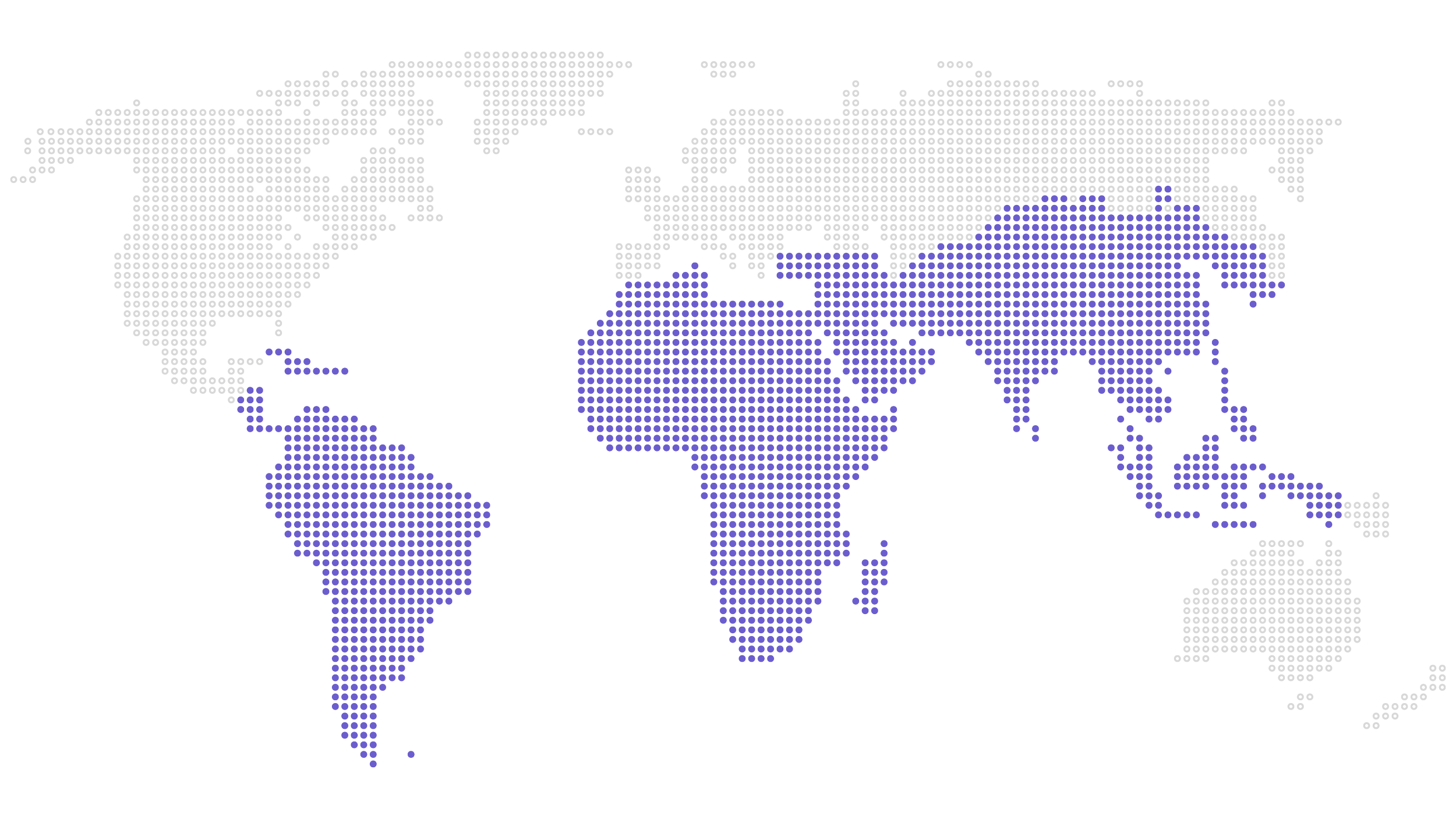
While organizations working globally or in these regions are of primary interest to us, we remain open to grantmaking in Northern America, Europe, and Oceania.
Our Grant Process
Grant Structure
Nearly all unrestricted general operating support
50% receive multi-year intentions after first year
Simple, flexible reporting scaled to grant size
Timeline
Grant decisions 1-2 times per year
Disbursement typically in Q4
Occasional grants outside regular cycles
Grant Amounts
Typically $2,500–$25,000. About half are $2,500, most are $10,000 or less. First-year grants are usually $2,500 and may increase in subsequent years.
Our grant sizes are strategic – they allow us to build relationships with many organizations across the movement while supporting our programmatic work.
What’s It Like to Partner With SDI
We're not just a checkwriter. Organizations need flexible resources paired with strategic support to thrive.
What this means:
Trust-based grantmaking:
Nearly all grants are unrestricted general operating support
Thought partnership:
Strategic feedback on proposals, presentations, and organizational challenges
Multi-year partnership:
Over 50% of grants have multi-year intentions after the first year
Connections:
Introductions to funders, experts, and collaborative opportunities
Expertise:
Support in food systems, alternative proteins, AI for nonprofits, and more
Low burden:
Simple reporting, flexible timelines, no lengthy applications
We practice trust-based philanthropy, partnering with grantees as collaborators and peers. We're mindful of power dynamics and committed to ongoing learning as a majority-white, Global North-based organization.
How to Get in Touch
Fill Out Our "Introduce Yourself" Form
Looking for funding for your animal advocacy organization? Share your organization's work through this short form.
It's not a formal application – it just helps us learn about new initiatives. If you're a potential fit, we'll reach out (sometimes months or years later). Due to high volume, we regret that we are not able to respond to all submissions.
Request a Meeting at a Conference
Attending the same event? Request a meeting via email or conference app. We receive many requests and appreciate your patience with scheduling.