

Essays & Analysis Archive
This is an archive of Stray Dog Institute’s blog posts published between 2021-2023. Authored by Stray Dog Institute and, at times, guest authors, these essays articulate Stray Dog Institute’s perspectives on key issues shaping food system transformation and farmed animal advocacy.
Since 2024, our research has focused on larger, movement-serving projects such as the State of the Movement. We continue to share this earlier work because it offers context, insights, and analysis that remain relevant to ongoing conversations about food systems transformation, animal advocacy, philanthropy, and more. Please note that the information in these essays is not regularly updated.

Announcing: "State of the Movement" Survey Now Open
Take our State of the Movement survey, open to all nonprofit organizations worldwide whose work directly or indirectly benefits animals farmed or caught for food. Seeking one response per organization. Open now through the end of September!

How We Created Our AI Use Policy and Why We Recommend Adopting One
Drafting an AI Use Policy is a good step for any organization wishing to explore how AI use can reflect its values and support its mission.
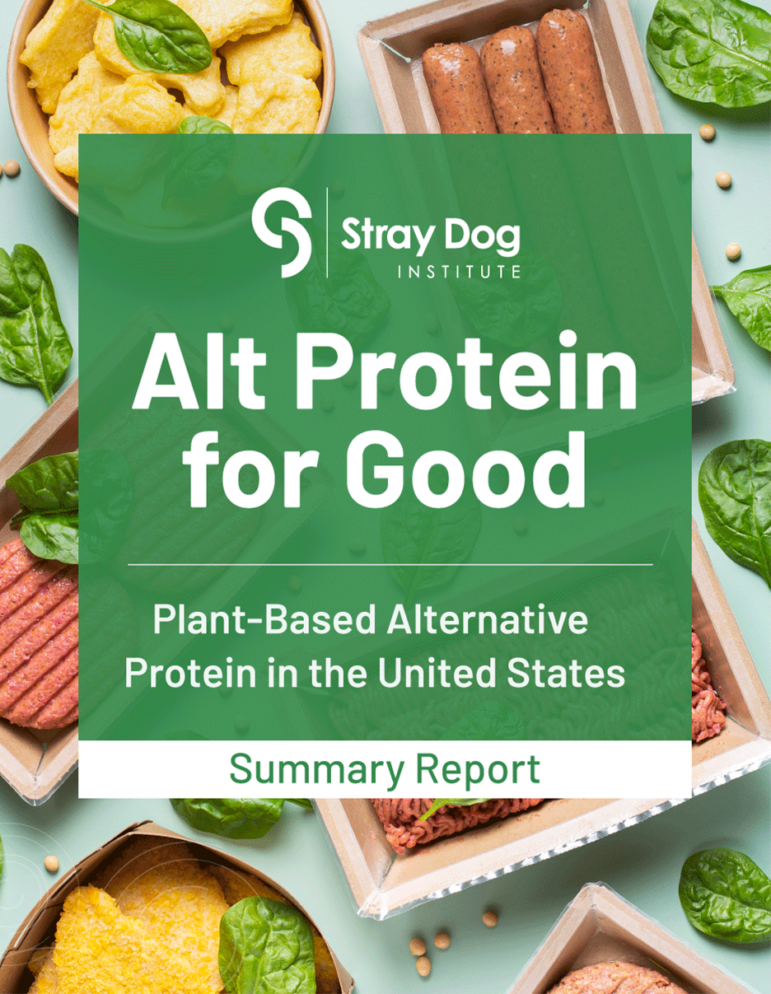
Research Report: Alt Protein for Good
Our newest research report, Alt Protein for Good: Plant-Based Alternative Protein in the United States outlines ways to build momentum for inclusive food system change and ensure the broadest and deepest benefits from alternative proteins.

Geopolitical Power Dynamics Weakened IPCC’s Diet-Change Narrative
Non-scientists in leading meat producing and consuming nations watered down IPCC’s calls for diet change away from animal consumption, showing the harm of letting power shape public narrative.
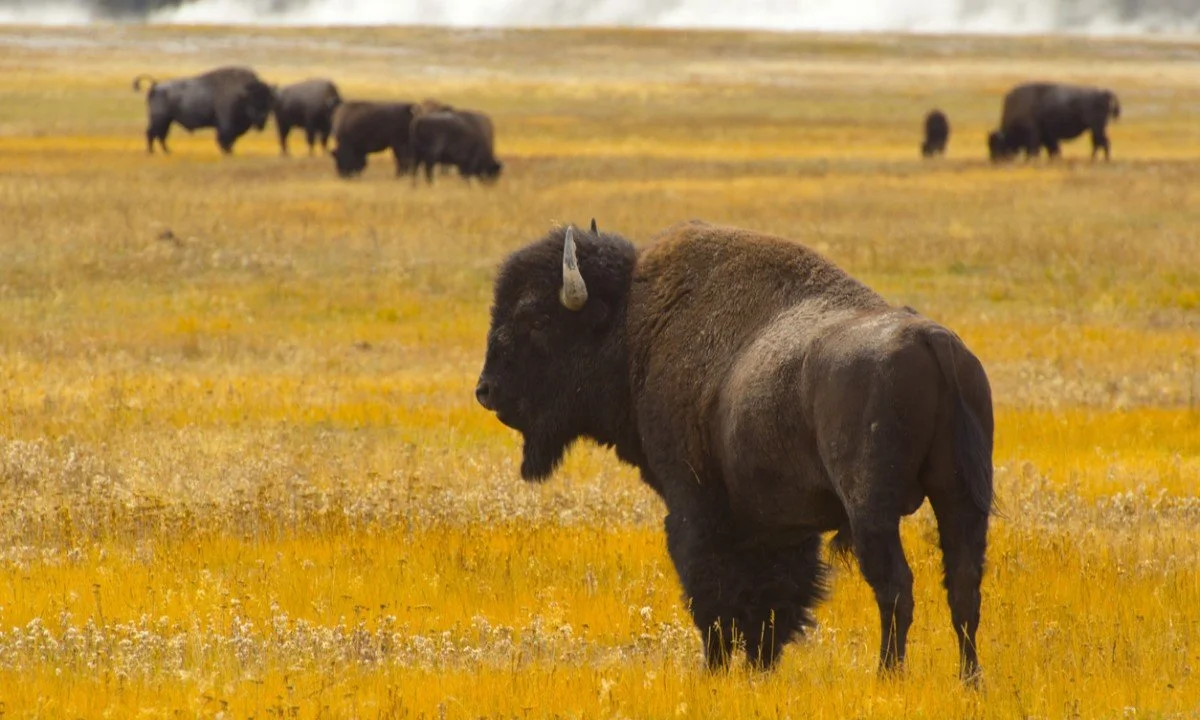
Decolonizing the North American Food System
European colonization of North America normalized intensive animal farming and transformed Indigenous diets as a tool of cultural erasure. Decolonizing the US food system offers pathways to restorative justice for Indigenous people, while supporting the well-being of animals and the environment.

The Hollow Promise of Seaweed Feed Additives for Methane Reduction
While seaweed can reduce methane production by farmed cattle, it cannot offer a feasible climate alternative to reducing animal farming.

Political Ecology as a Catalyst for Farmed Animal Advocacy and Food System Transformation
Political ecology, with its interdisciplinary roots and emphasis on power dynamics, offers valuable insights and perspectives for advocates fighting industrial animal agriculture.

Holding Industrial Animal Agriculture Accountable by Establishing the Rights of Nature
Shifting the legal paradigm to recognize nature's rights can support food system reform for the common good.

Demand for Farmed-Animal Feed Crops Fuels Pesticide Use
Industrial animal agriculture relies heavily on pesticide-intensive field crops, making animal exploitation a surprising cause of much US pesticide consumption.

Data Literacy in the Animal Protection Movement
Faunalytics' content director karol orzechowski discusses the importance of basing farmed animal advocacy on sound data.

COP27 Put Food on the International Climate Agenda
International climate change gatherings have begun to acknowledge the climate impact of animal farming. Will recent recognition translate to action?
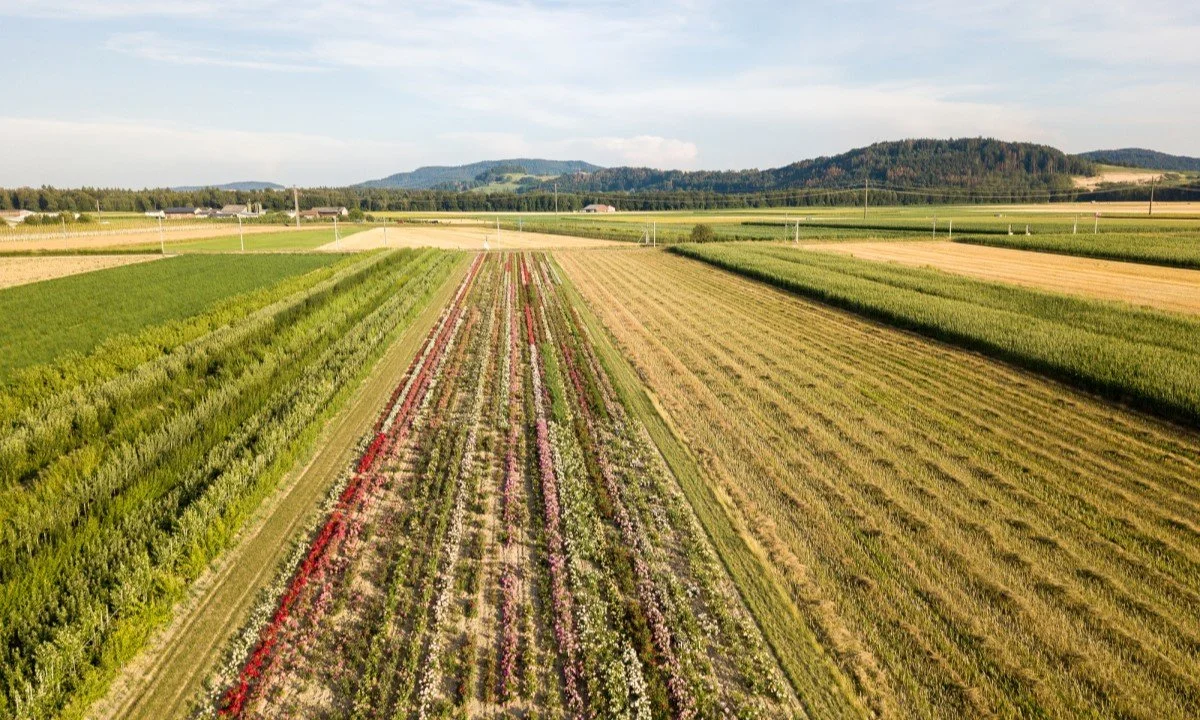
Farm Policy for Food, Not Feed
In this guest post, Farm Action examines a great contradiction at the heart of US food and agriculture policy.
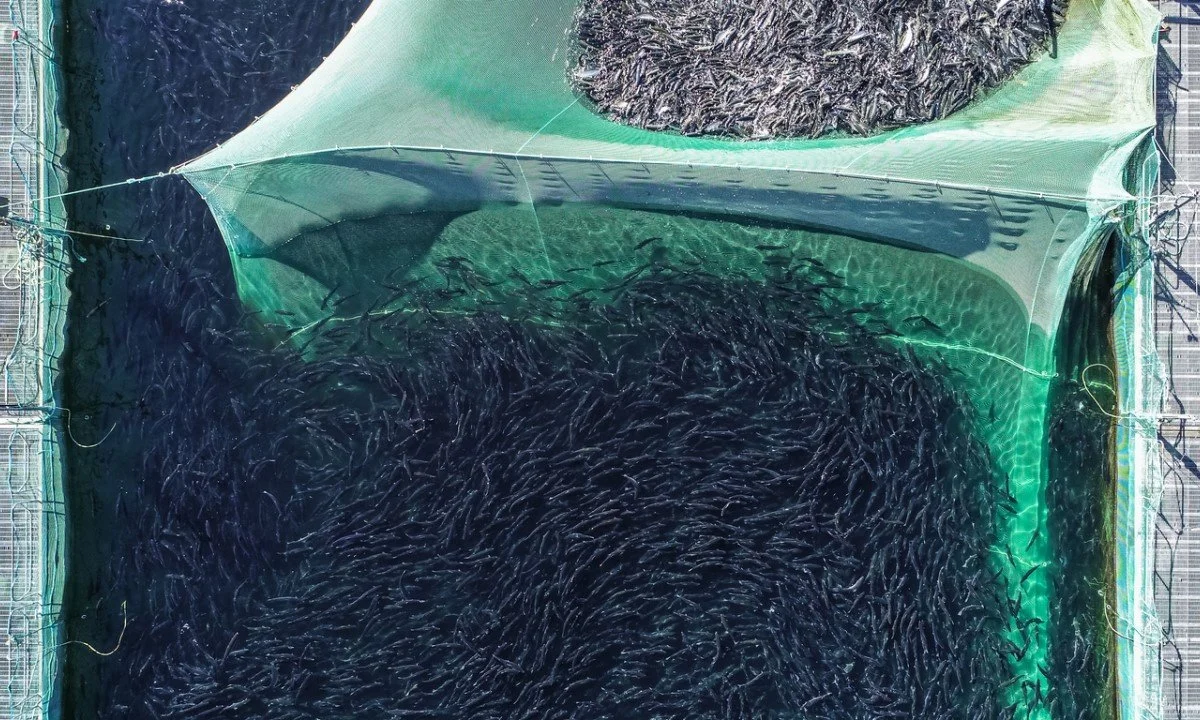
Salmon Aquaculture is Inefficient and Inequitable
Growing demand for farmed salmon in wealthy nations of the Global North is placing a strain on wild fish populations and local food systems of the Global South.

Digital Livestock Farming Offers Mixed Outcomes for Farmed Animals
Digital tools can gather and interpret data that may enhance farmed animal well-being and productivity. Are such tools beneficial or harmful to the interests of farmed animals?
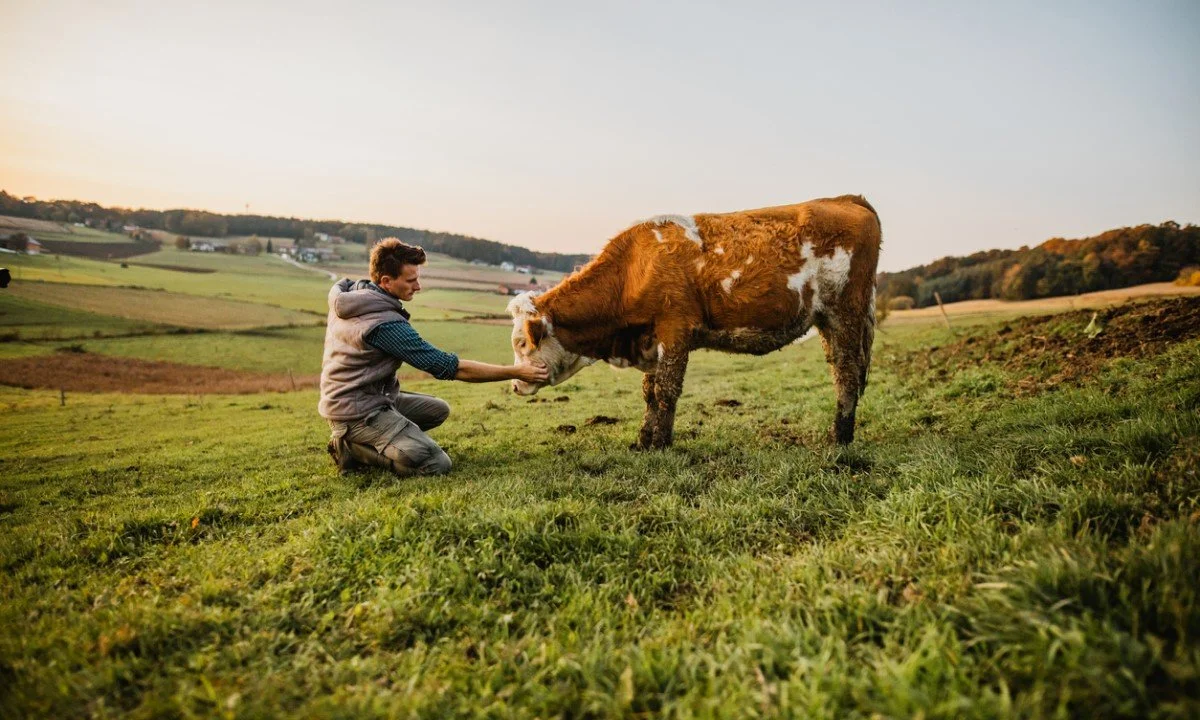
Reimagining the Role of Farmed Animals in Regenerative Agriculture
Regenerative agriculture offers a transformative future vision for the US food system. Can regenerative approaches succeed without centering domesticated farmed animals?

Stray Dog Institute's Journey toward Trust-Based Philanthropy
We share our learnings and reflections from the first two years of integrating trust-based practices into our food system philanthropy.
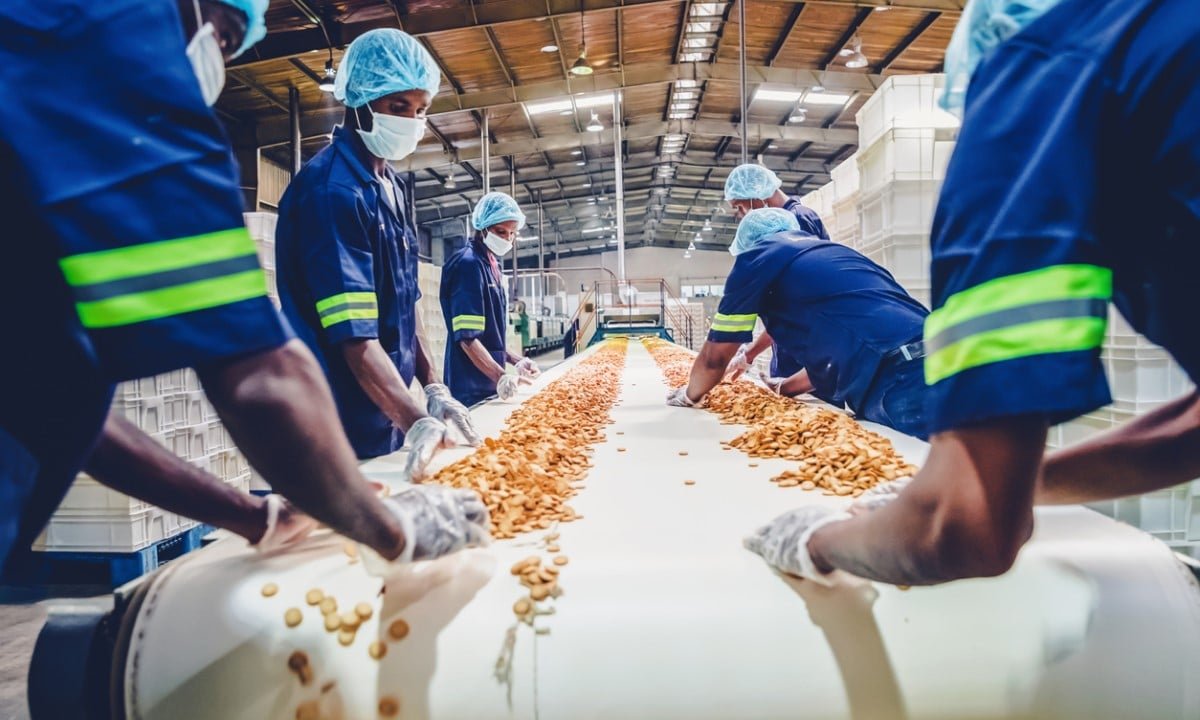
Food System Transformation Should Embrace Food Justice
The systemic focus of food justice advocacy aligns well with the goals of food system transformation.
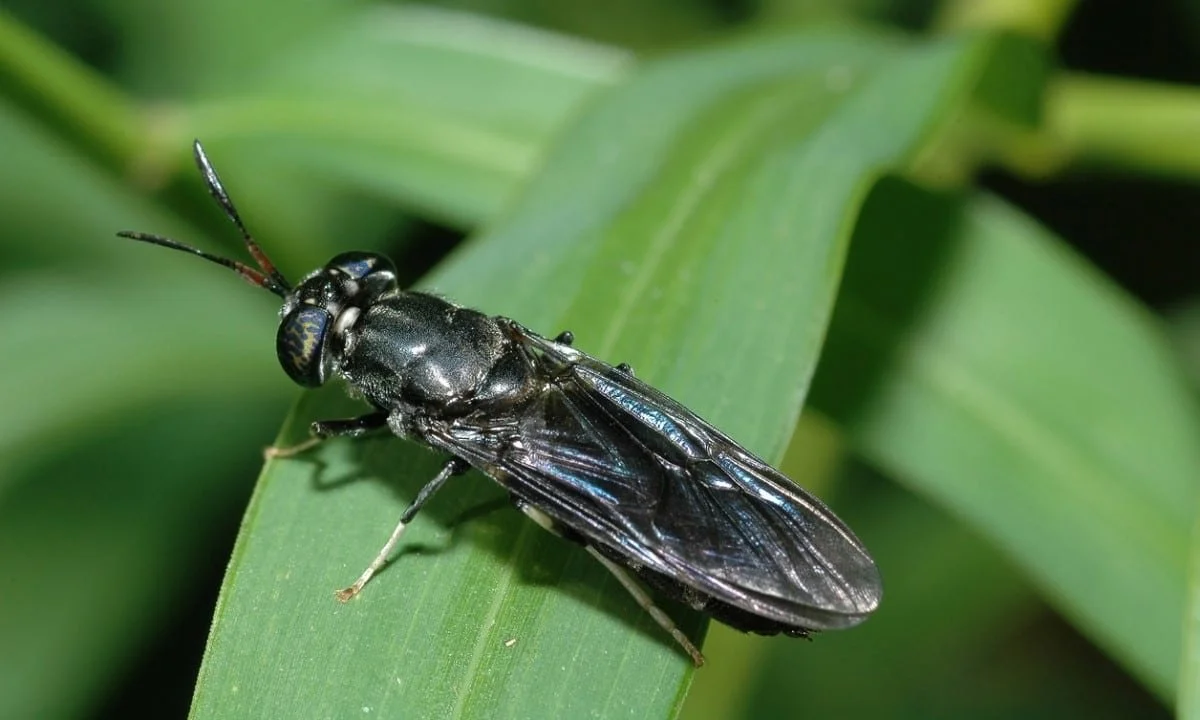
Black Soldier Flies Are Not an Ideal Solution for Global Food Waste
Farming black soldier flies as a global food waste cure diverts attention from systemic food system transformation.

The Importance of Viewing Food Access Disparities Systemically
Food access challenges intersect with many other social, economic, and environmental concerns in the food system.

How to Feed the World Part III: Evaluating Alternatives to Industrial Agriculture
Not all alternative models of agriculture offer equivalent benefits for all food system stakeholders and interests.